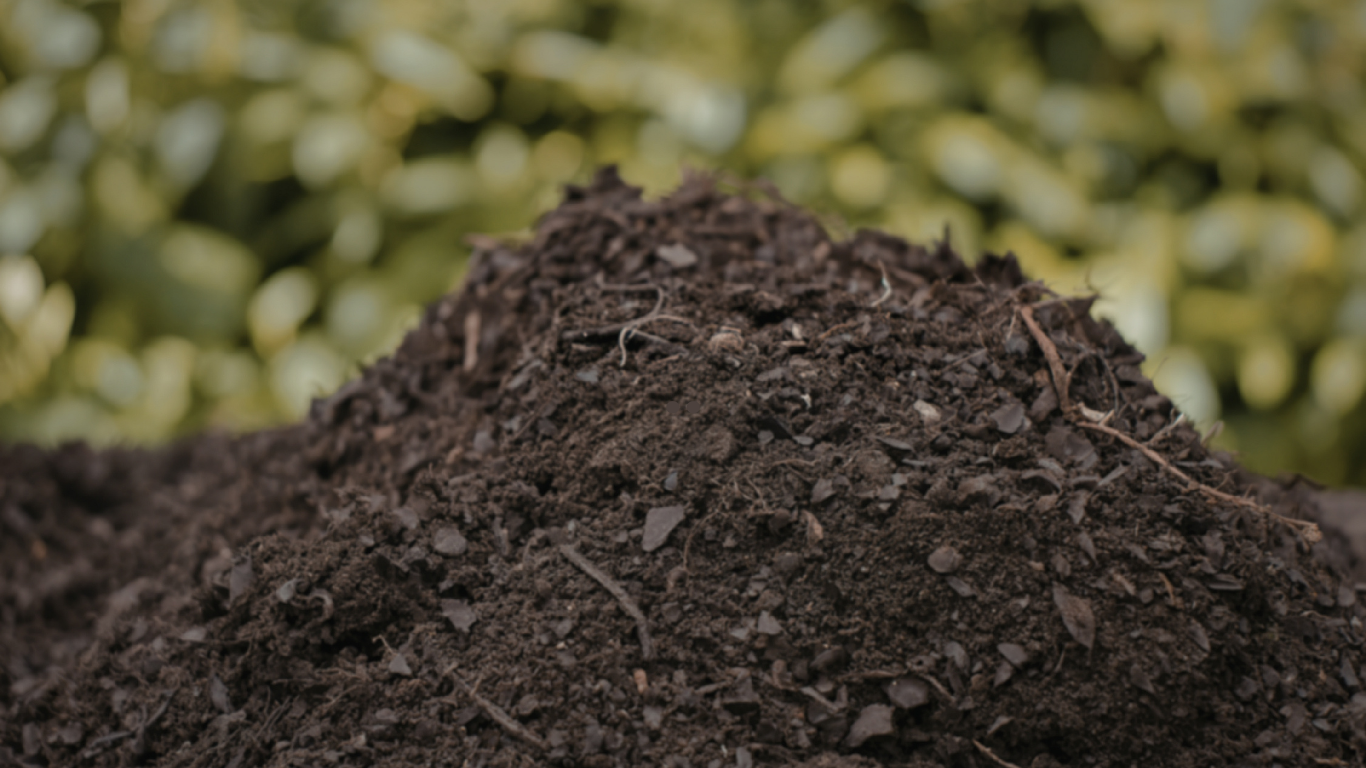
House Bill 5425 would allow for a new form of final disposition of deceased human remains through a process known as “natural organic reduction” or “human composting.” During this process, the body is placed in a container with organic material that assist in its decomposition into soil over about 30 to 45 days. This in legal in only twelve states; we ask lawmakers to oppose this legislation.
Intentionally using human remains as fertilizer through human composting should not be a legal means of final disposition. It reduces the human body to a disposable commodity. Traditional forms of final disposition, such as burial, keep the remains together and encourage family members and religious communities to pray for and remember the dead. The burial of the dead is one of the corporal works of mercy and for many Christians, a sign of faith and hope in the Resurrection.
If a more eco-friendly option is desired, a better choice would be natural, green burials, which provide for the use of biodegradable materials, organic fibers, and the choice of eco-friendly embalming techniques or no embalming to allow the body to return to the earth naturally. For example, the Archdiocese of Chicago’s Catholic Cemeteries provides for natural burials at the Meadows of St. Kateri at St. Michael the Archangel Cemetery in Palatine.
Another concern is when funds are not available under the Illinois Department of Human Services Funeral and Burial Expenses program for the burial of an indigent person, the Disposition of the Remains of the Indigent Act allows for donation of the body to science. HB 5425 would allow for bodies donated to science to be composted solely at the discretion of the entity receiving the donation. It is essential that any change to state law on methods of final disposition continues to respect the disposition of indigent deceased persons, especially by preventing those who did not choose it in life to be disposed of as fertilizer.
Cemeteries, whether they be municipal, religious, or fraternal, have existed for centuries; in the United States, many were established even before the founding of our nation. They can be beautiful gathering spaces with sound record-keeping practices and appropriate regulatory oversight. Cemeteries can help to unify generations and thereby benefit families, communities, and society at large.
By contrast, turning human persons into compost for the purpose of fertilization of trees, as one would with vegetable trimmings and eggshells, degrades the human person. It creates a spiritual, emotional, and psychological distance from the person. Cremation and burial, on the other hand, allow for a person to be wholly laid to rest in a sacred place thus respecting the dignity of that person.
And if the compost is spread in areas made accessible to the public, the public may not know if they were treading over human remains, and widespread dispersion is not much different from creating a mass grave. The state has many laws concerning the disposition of human bodies for a reason — because society has always understood that the human body should be treated with respect and dignity. We oppose any tendency to minimize the event of human death and the meaning it has for humanity.
A pdf version of this statement can be found HERE: